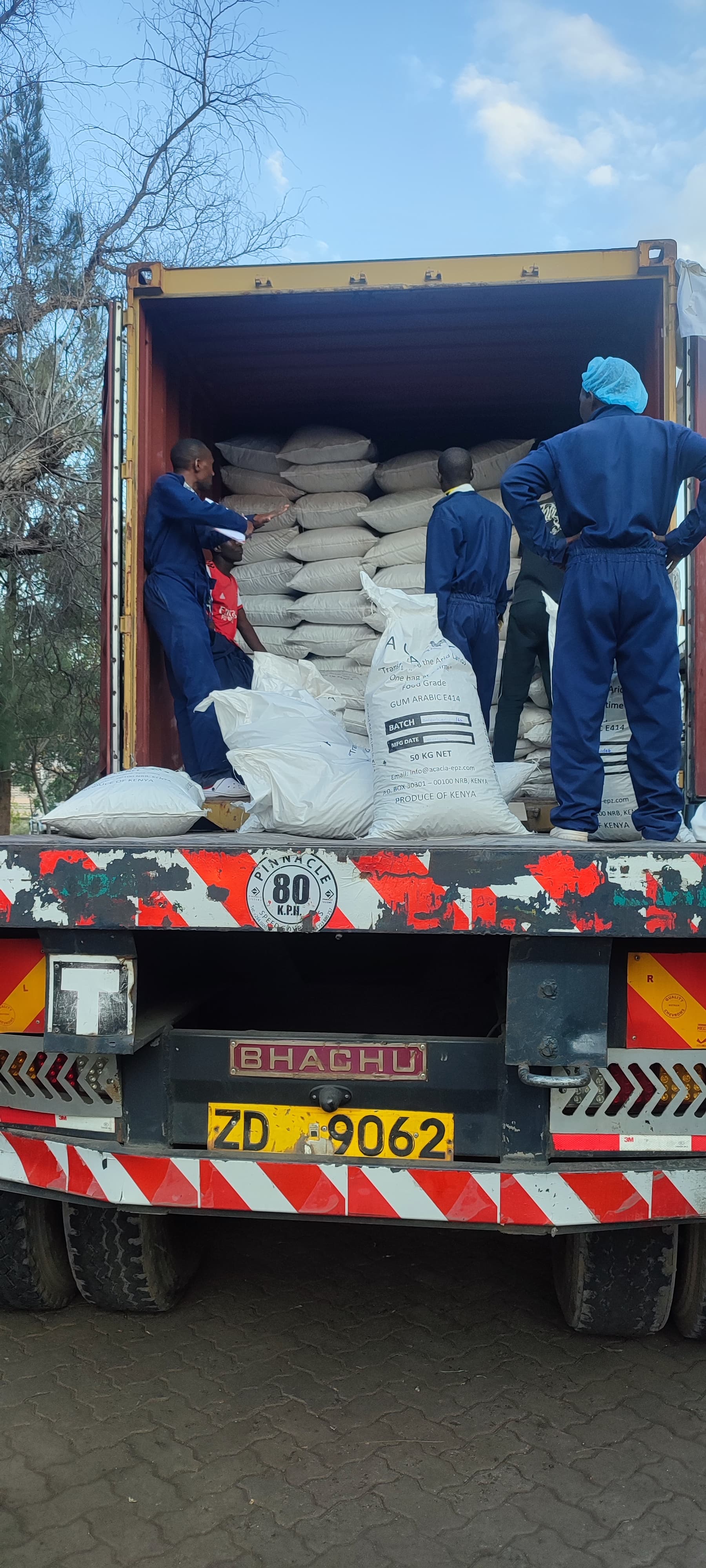
Sustainability at Our Core
Our business model is built on the principle that economic growth and environmental conservation go hand in hand. By protecting 12 million acacia trees across Kenya's ASAL regions, we ensure sustainable livelihoods for generations.
Why Sustainability Matters
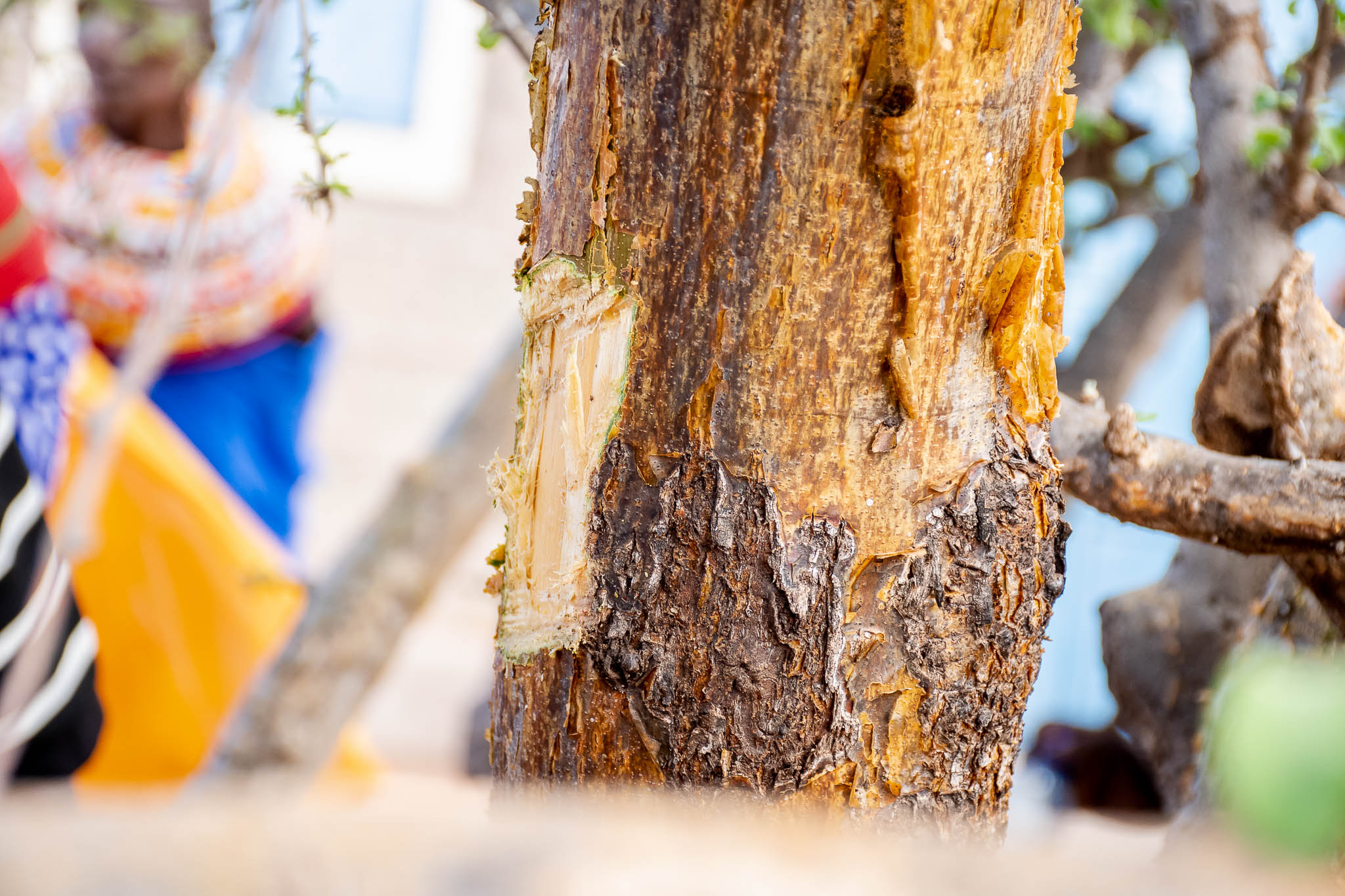
Acacia trees are vital to Kenya's ASAL ecosystems. They fix nitrogen in the soil, provide shade for livestock, prevent soil erosion, and stabilize rainfall cycles. Our sustainable harvesting practices ensure these benefits continue for future generations.
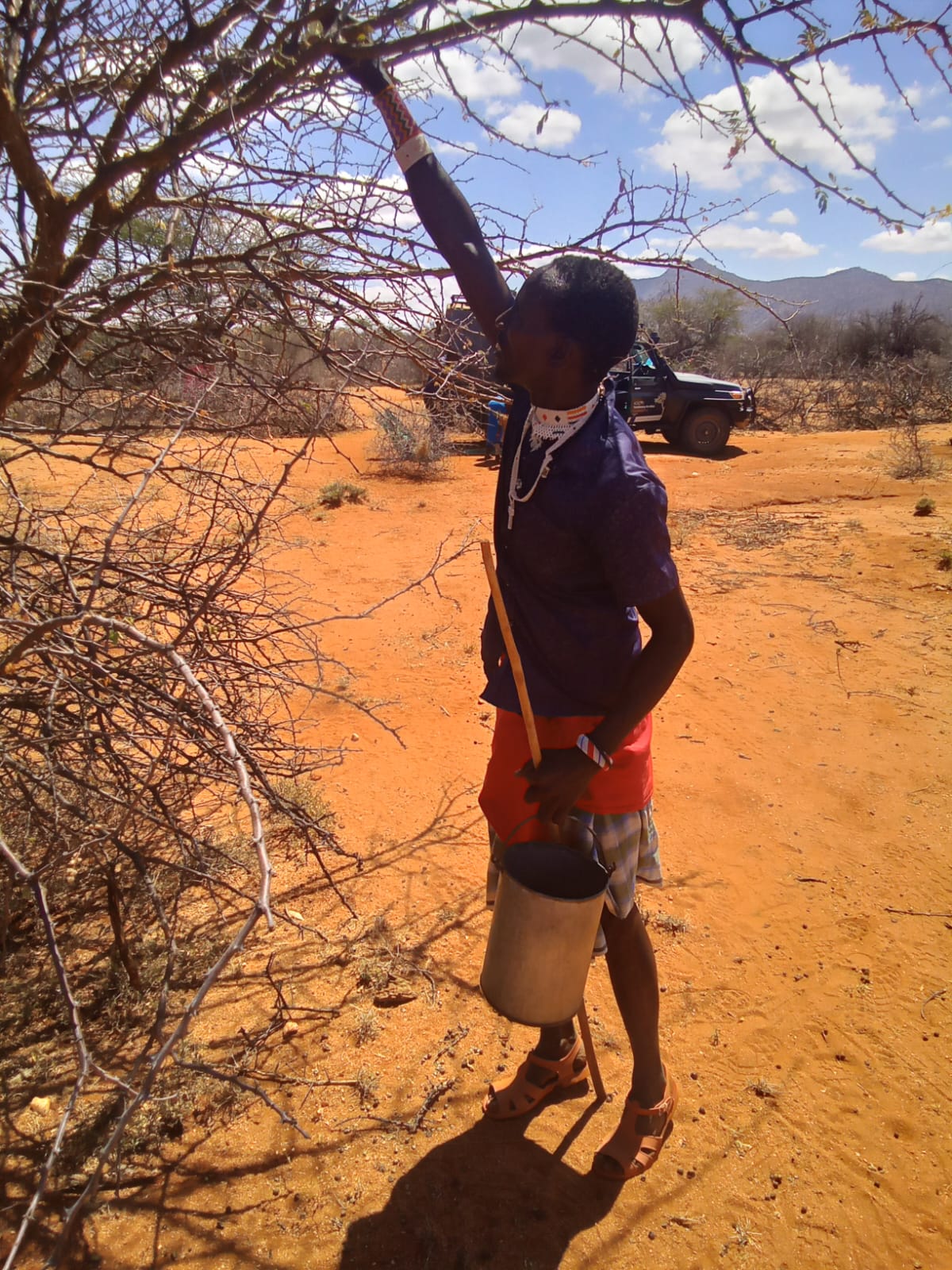
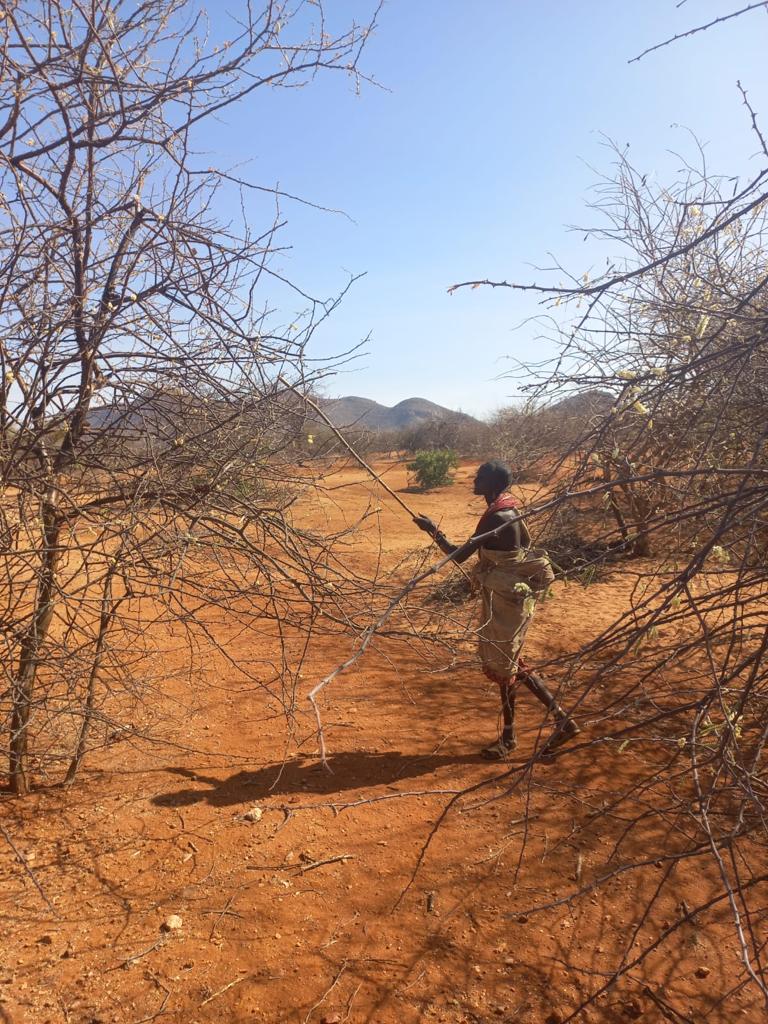
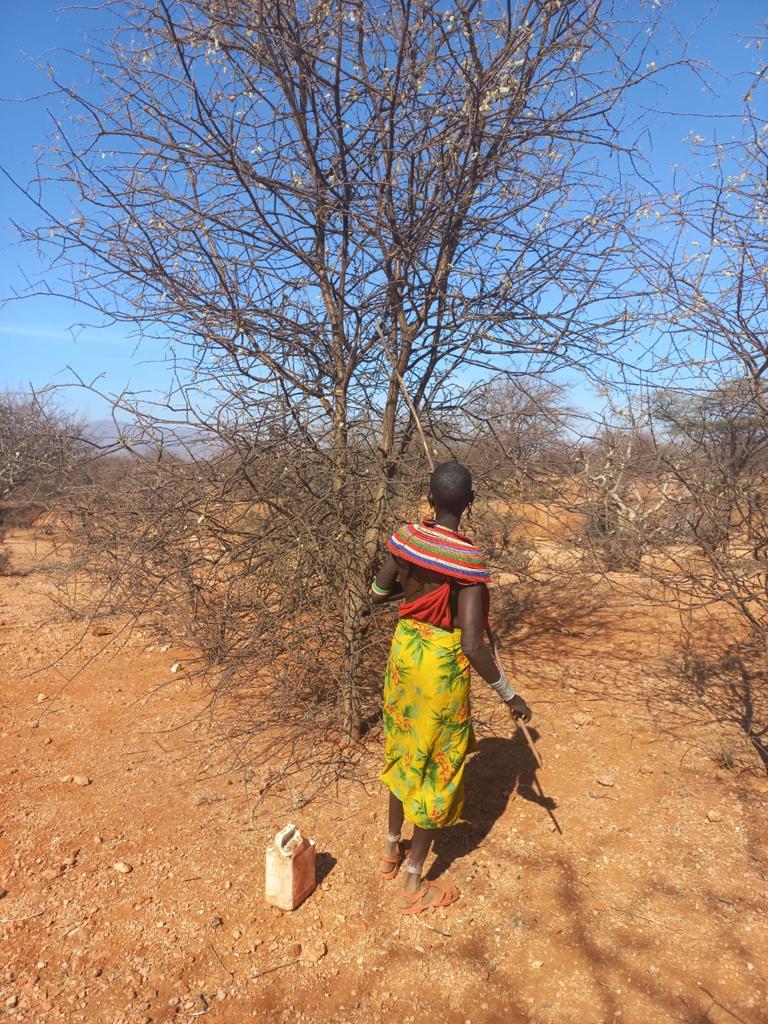
When trees are tapped correctly using our modified tapping tools, they can produce Gum Arabic for decades without harm. Our extensive training programs—reaching over 15,000 collectors—teach techniques that maximize yields while protecting tree health.
The Acacia Advantage
- • Nitrogen fixation enriches soil fertility in arid landscapes
- • Deep root systems prevent soil erosion and desertification
- • Canopy provides shade and reduces evaporation
- • Supports biodiversity and local ecosystems
- • Carbon sequestration combats climate change
Sustainable Harvesting Methods
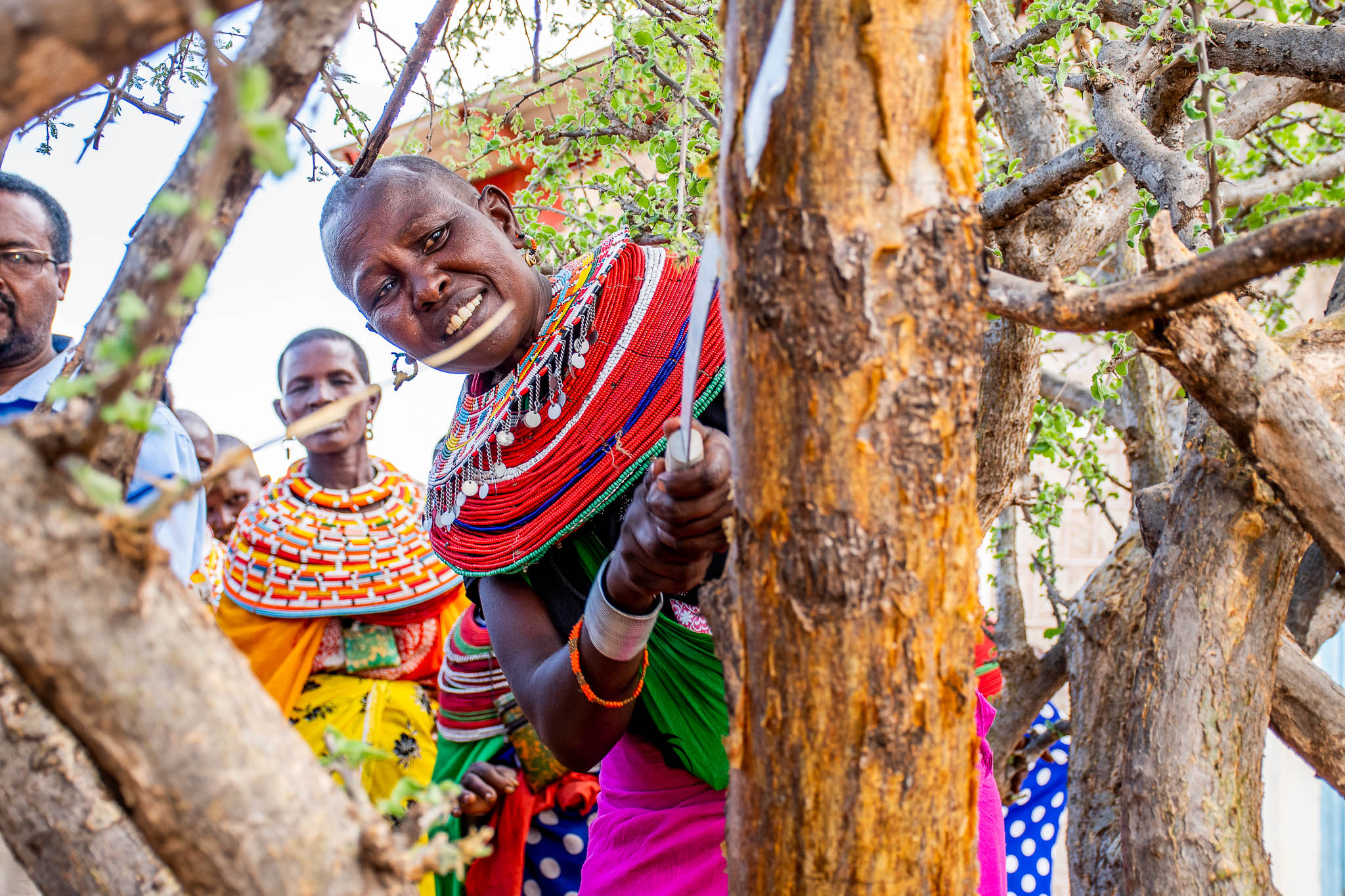
We employ proven techniques that balance productivity with environmental stewardship, ensuring acacia ecosystems thrive.
Sustainable Tapping
Training collectors in proper tapping techniques that allow trees to heal and continue producing for decades without damage.
Natural Regeneration
Supporting Assisted Natural Regeneration (ANR) programs to restore acacia populations across 50,000+ hectares of ASAL regions.
Reforestation
Operating community tree nurseries producing 10,000+ seedlings annually and supporting school planting programs.
Conservation Agreements
Establishing community conservation agreements to protect acacia ecosystems and prevent destructive charcoal burning.
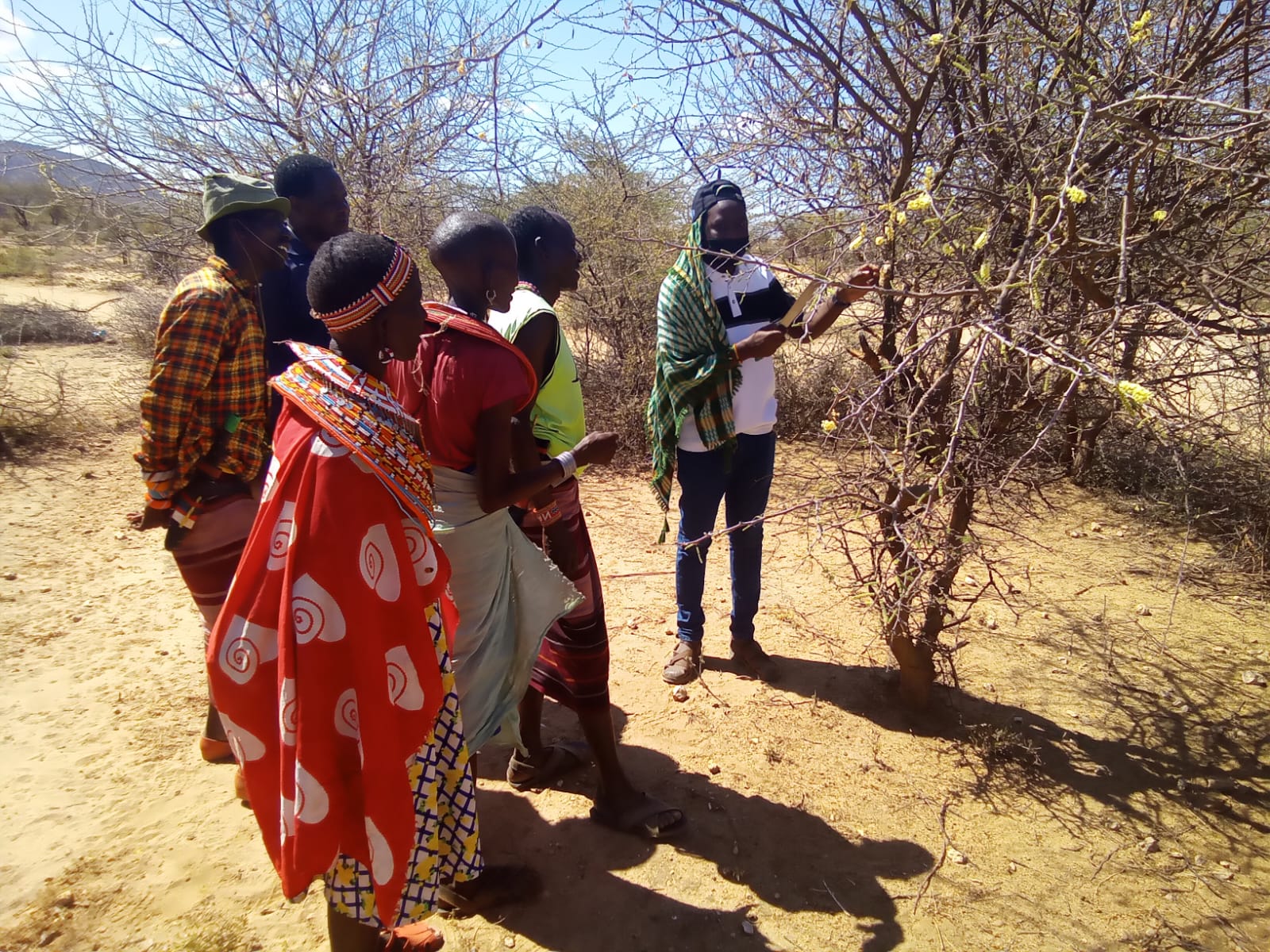
Prosopis Juliflora: From Problem to Opportunity
Transforming the invasive Mathenge tree into sustainable energy and livelihoods through innovative charcoal briquette production, using non-food-grade gum arabic as a natural binder.
The Challenge
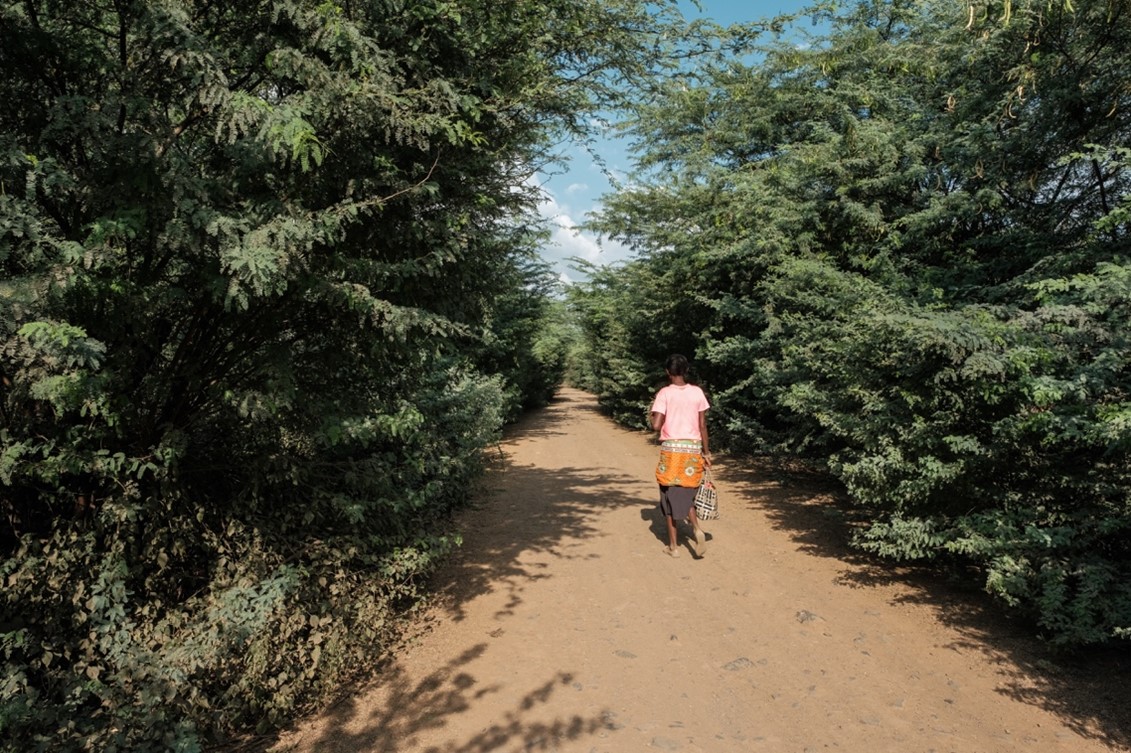
Prosopis juliflora, locally known as Mathenge, was introduced to Kenya in the 1970s but has become a major environmental and social problem in ASAL regions. With an estimated 3.8 million tonnes of biomass in Turkana alone, it:
- Outcompetes native vegetation and acacia trees
- Blocks roads, livestock corridors, and access to water
- Depletes groundwater with aggressive root systems
- Thorny pods cause injuries to livestock and children
Kenya Forest Service Authorization: Acacia EPZ has received authorization to harvest and process Prosopis as part of an integrated management strategy.
Our Innovative Solution: Charcoal Briquettes
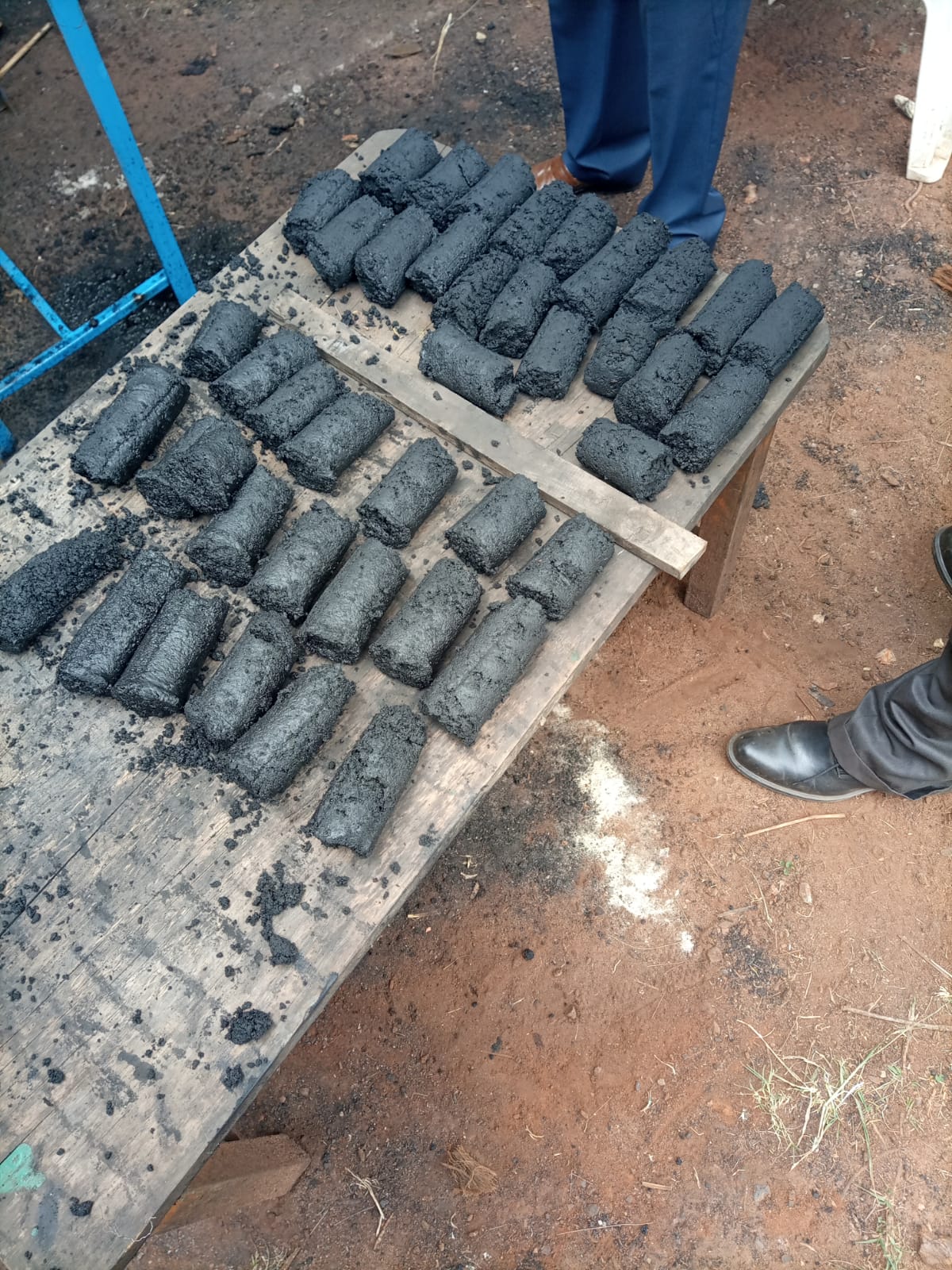
We've developed a circular economy solution that converts invasive Prosopis into valuable charcoal briquettes, using non-food grade Gum Arabic as a natural binder—creating zero waste in our value chain.
Empowering Communities
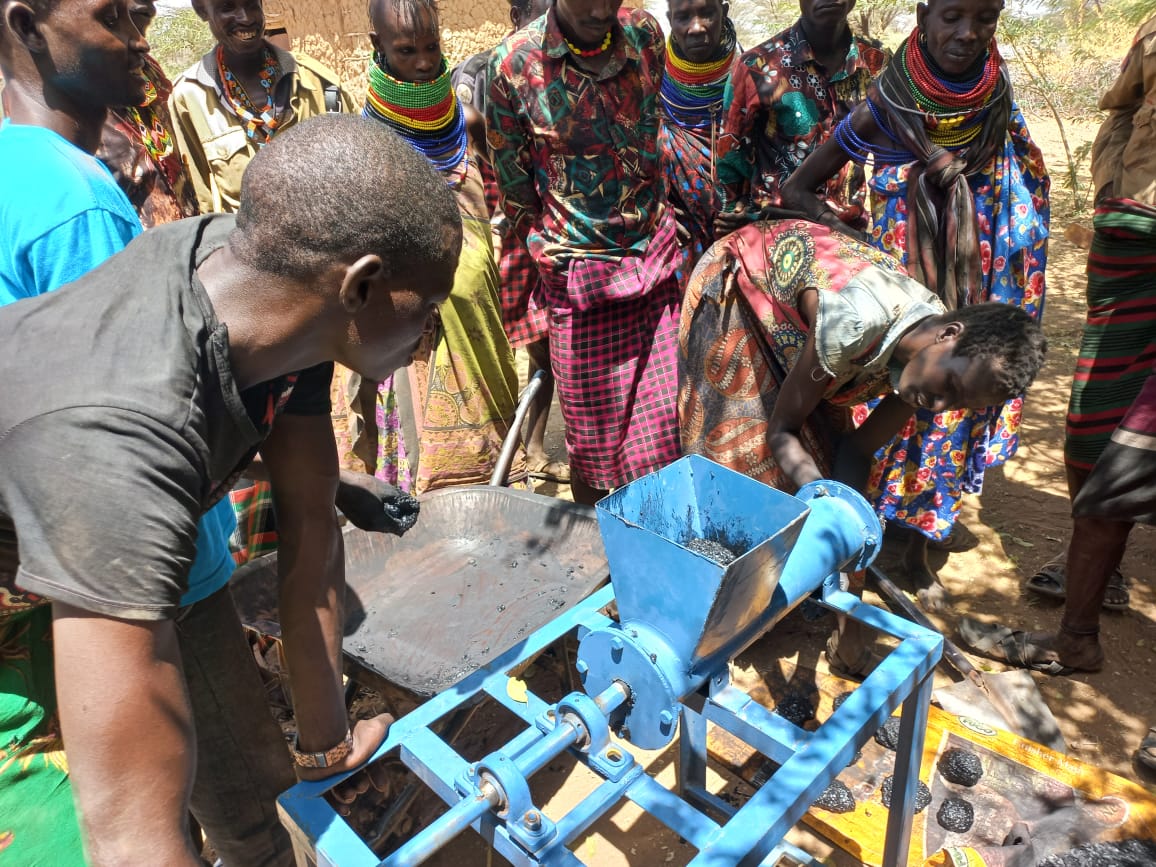
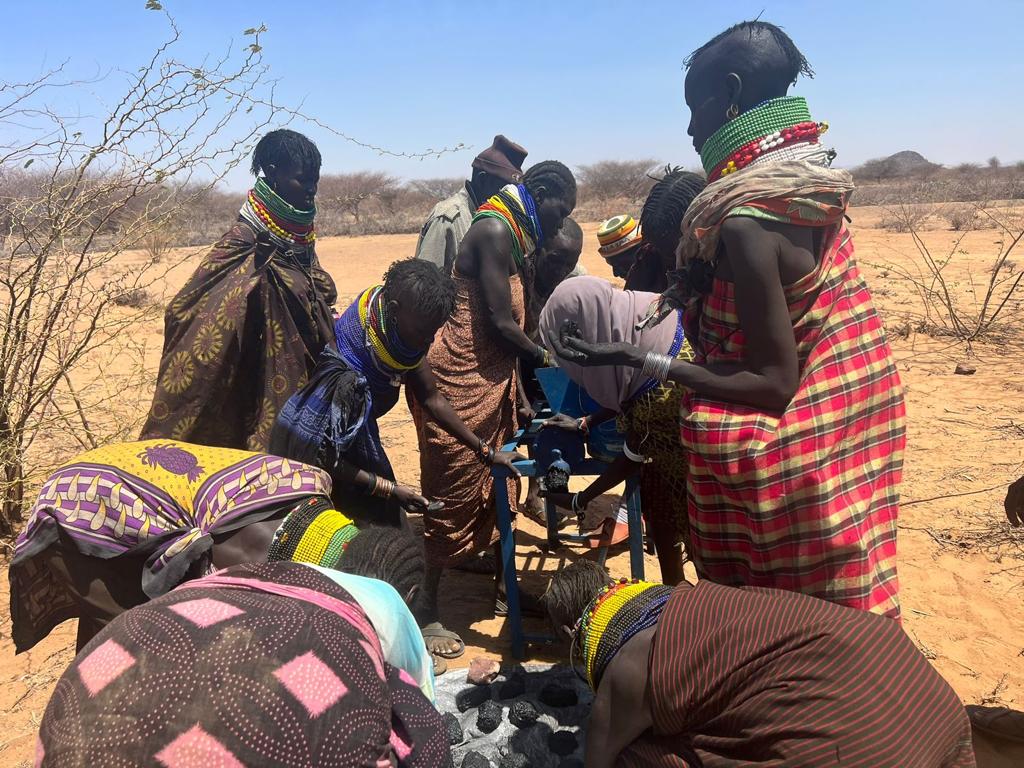
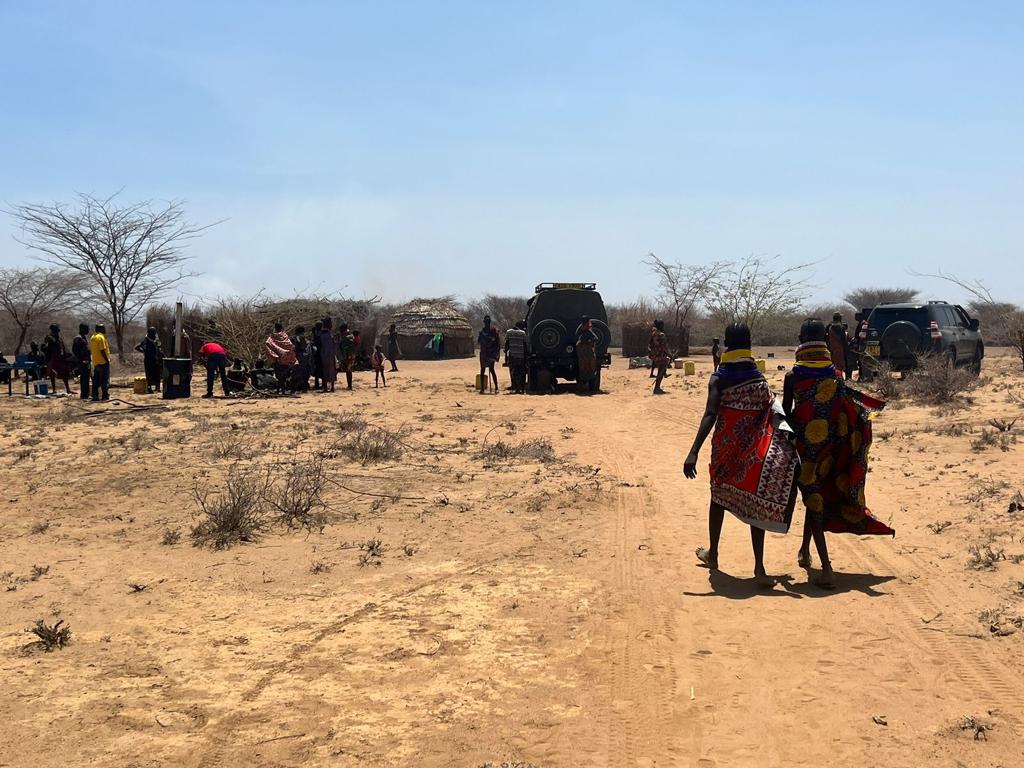
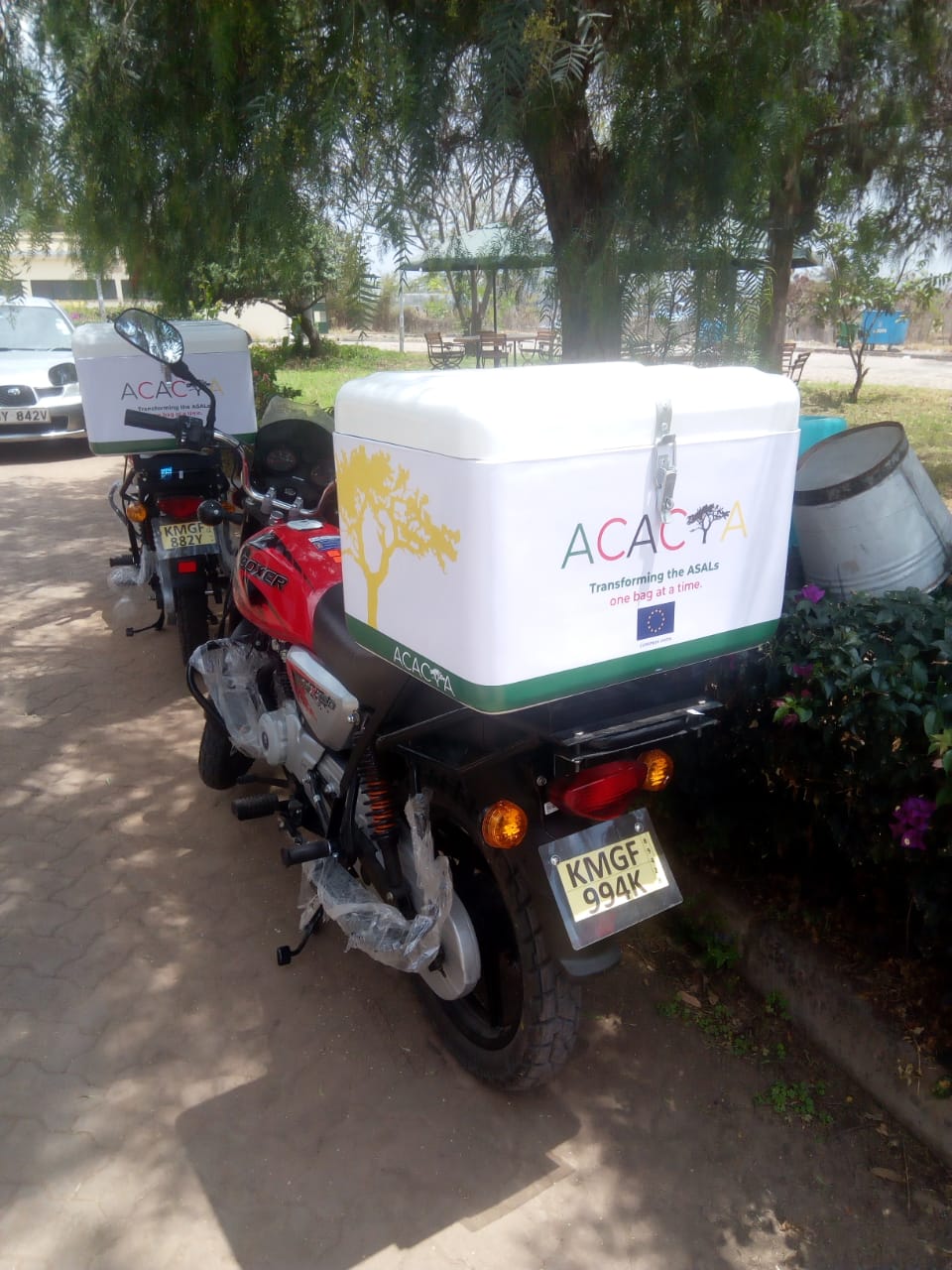
We've trained and equipped over 8,000 community members across ASAL regions to produce charcoal briquettes, creating sustainable livelihoods while managing the invasive species.
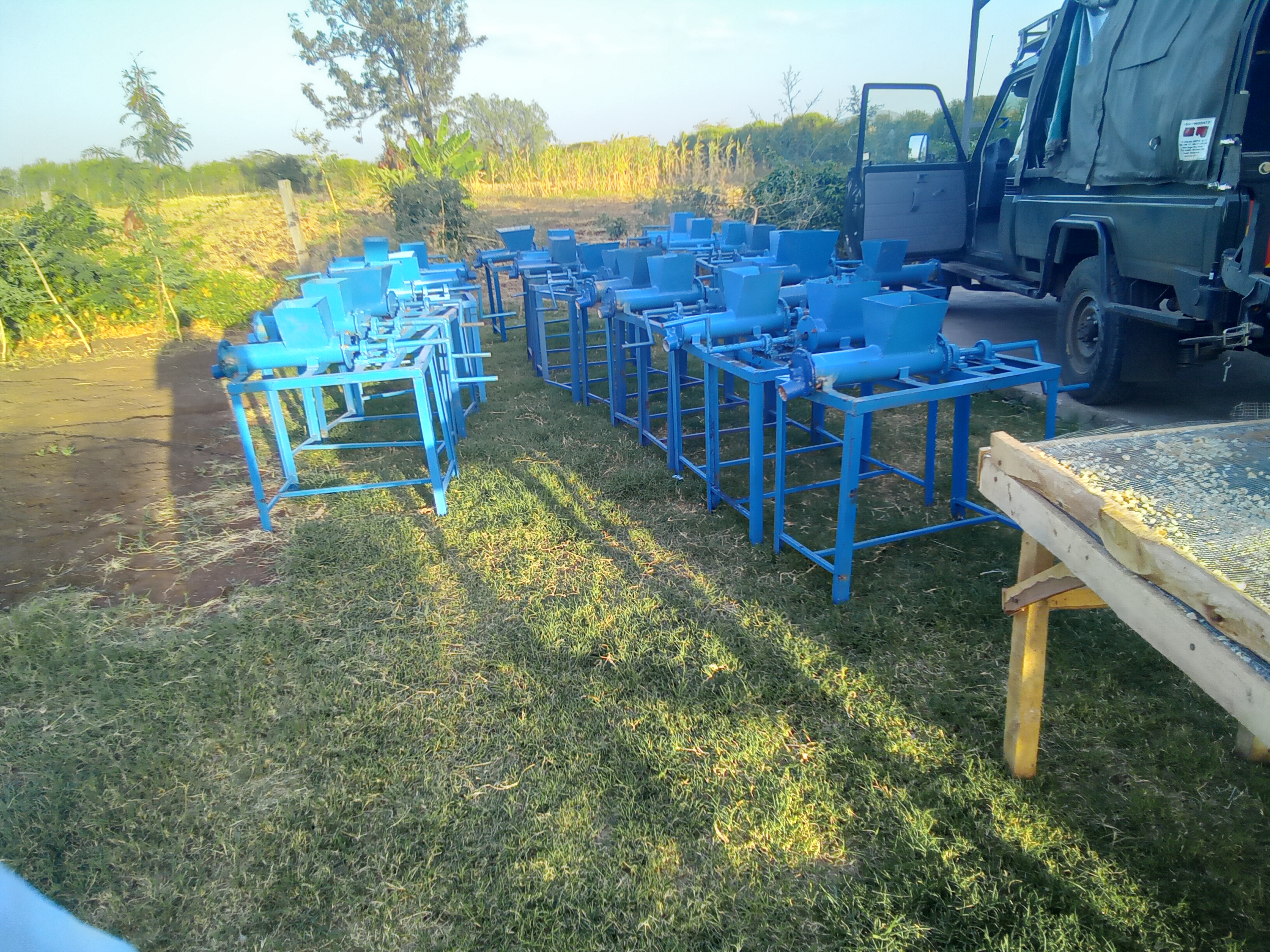
Briquetting machines distributed to producer groups across Turkana, Marsabit, and Samburu counties.
Organized groups managing sustainable Prosopis harvesting and briquette production.
Non-food grade gum finds productive use as organic binder, creating zero-waste value chain.
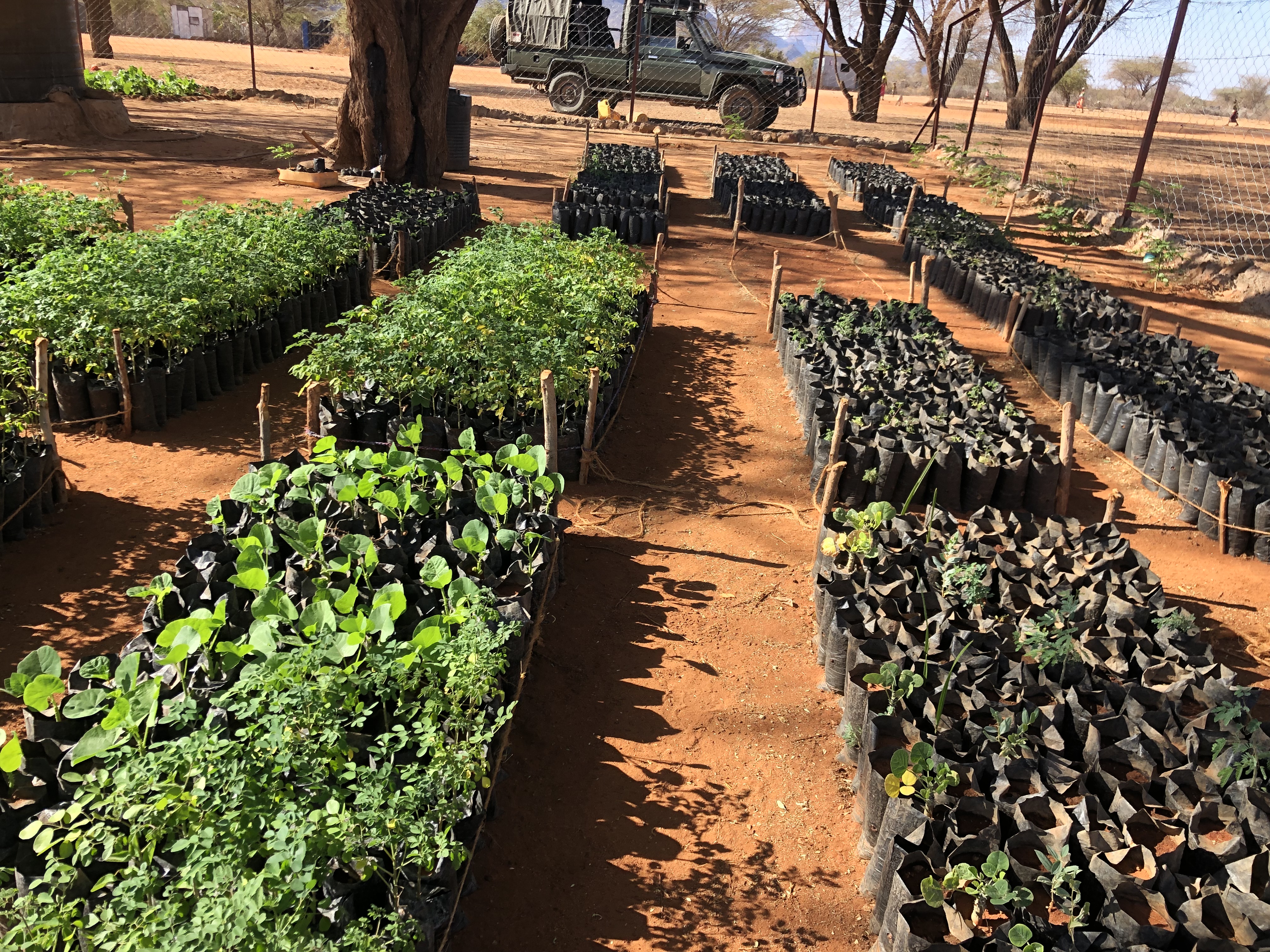
Community Tree Nurseries
We support producer groups to establish tree nurseries, growing Acacia senegal seedlings for landscape restoration and future gum production. These nurseries are biodiversity anchors and income sources.
Seedlings are distributed for school plantations and household planting programs, creating a pipeline of future gum-producing trees while restoring degraded landscapes.
Environmental Achievements
Measurable outcomes from our sustainability programs across 9 ASAL counties.
Carbon Sequestration
Target cumulative carbon capture through protected acacia forests
Land Under Protection
Area under sustainable management plans across 9 counties
Soil Conservation
Collectors trained in erosion prevention techniques
Desertification Prevention
Active conservation programs across Kenya
Environmental Certifications
Our commitment to sustainability is validated by internationally recognized certifications and standards.
ISO 14001:2015
Environmental Management System certification for responsible operations
Kenya Forest Service Authorization
Licensed for sustainable Prosopis harvesting and management
EU Due Diligence Compliant
Full traceability ensuring deforestation-free supply chains for European markets
Rainforest Alliance & Fair Trade (In Progress)
Working toward additional sustainability certifications